You’ve probably stood in the pro shop or scrolled through page after page of golf gloves, wondering if spending more actually means getting more. It’s a fair question, especially when the price tags on some gloves could cover a round of golf at a halfway decent course. The assumption most golfers make is that a higher price equals longer life, better feel, and fewer trips back to the checkout line.
The truth is, price alone does not predict how long a glove is going to hold up. The real story is in the materials, the construction, and honestly, how many rounds you’re squeezing out of that thing per week. We’ve seen $30 gloves fall apart by the back nine and well-priced gloves outlast rounds that had no business being that brutal on gear. The relationship between cost and durability is not as straightforward as the golf industry wants you to believe.
The Price Tag Is Not the Whole Story
Most golfers assume that the more a glove costs, the better it performs and the longer it lasts. Marketing plays a massive role in this. A slick logo, a tour player’s name on the packaging, and some vague claim about “tour-grade performance” can add $15 to a glove that is essentially made the same way as a budget option. The reality is that what’s inside the glove matters far more than what’s on the price tag.
What Actually Determines How Long a Glove Lasts
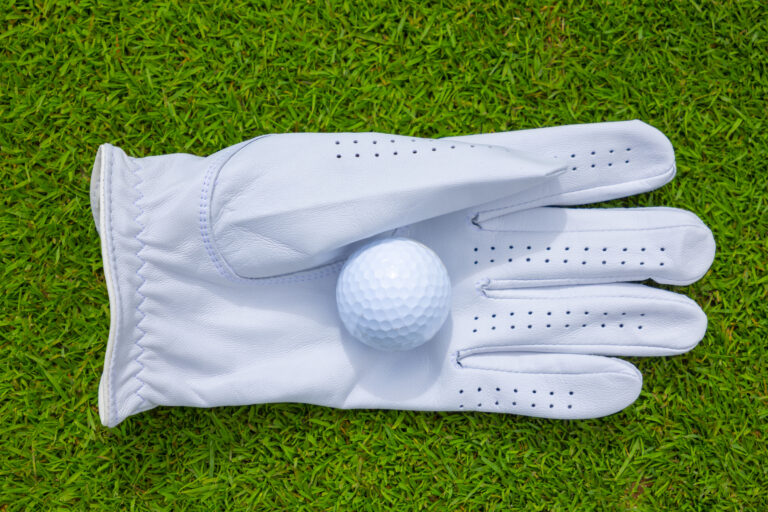
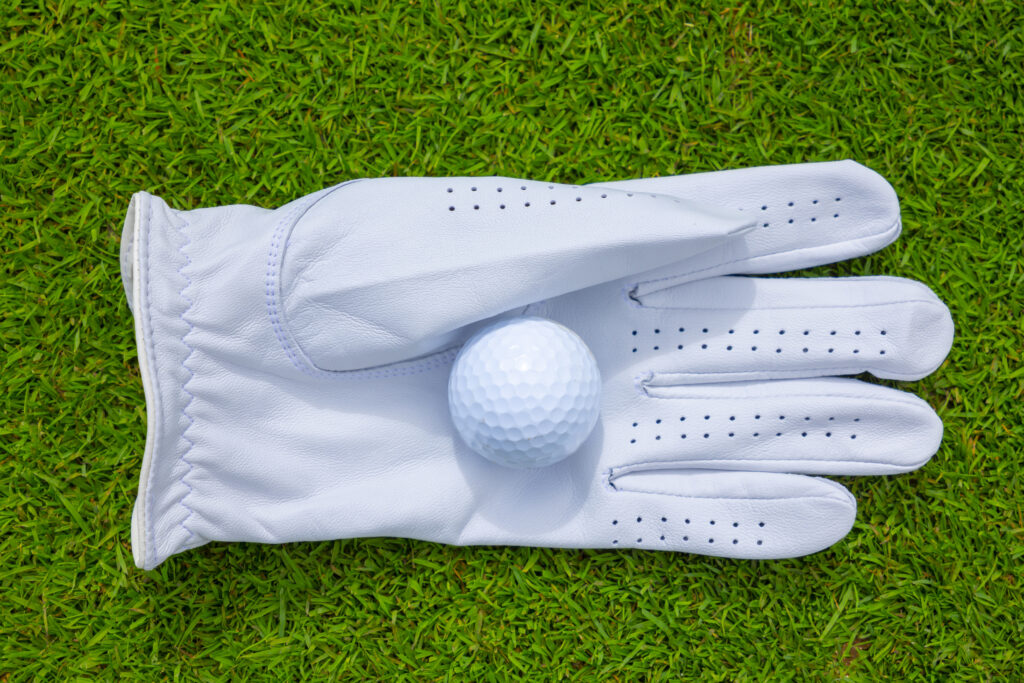
The material is the biggest factor by a wide margin. Cabretta leather, which is a soft, lightweight leather sourced from sheep, is widely considered the gold standard in golf glove construction. It molds to the hand, provides excellent grip, and holds up well over time when maintained properly. Synthetic materials, on the other hand, can feel firmer and are sometimes more resistant to moisture, but they do not always match the durability or tactile feedback of genuine leather. Then there are gloves that blend both, trying to get the best of each.
Beyond material, the way a glove is stitched and finished matters enormously. Reinforced seams at stress points, proper palm padding, and quality wrist closure all contribute to how long a glove survives regular use. A $40 glove made with inferior stitching on cheap leather is going to lose that battle to a $20 glove built with solid construction every time.
How Golf Gloves Really Wear Out
Something that does not get talked about enough is that most golf gloves do not fail because of the material itself. They fail because of how they are used and stored. Sweat is the biggest enemy of any glove, particularly leather. Gripping the club tightly when nervous, playing in Florida heat without letting the glove breathe, or stuffing it into your bag while it is still damp are all things that break down even the best glove faster than normal use would.
The Real Culprits Behind a Short Glove Lifespan
- Wearing the glove during practice swings and warm-ups when it is not necessary
- Leaving it balled up in a wet golf bag after a sweaty round
- Not rotating between two gloves during longer rounds
- Gripping harder than needed, which creates friction and wears down the palm faster
- Skipping the stretch and letting the glove stiffen after it dries out
None of these issues have anything to do with price. A $50 glove treated this way is going to be done in a handful of rounds. A reasonably priced, well-made glove taken care of properly can last far longer than the industry average.
Why We Built Albatross Around This Exact Problem
Here in Florida, we play a lot of golf. And for a long time, that meant going through gloves at a rate that made no financial sense. We are people who love the game, care about performance, and got genuinely fed up with paying premium prices for gloves that were falling apart before the season even got going. After one particularly frustrating glove failure on a back nine that should have been a good round, we decided to do something about it.
That was the moment Albatross was born. Not in a corporate boardroom, but on a golf course, out of real frustration that we think a lot of players share. We are golfers building gear for golfers. Not tour pros with equipment sponsors. Weekend warriors who show up early, play hard, and expect their gear to hold up for more than a few rounds.
What Makes Our Gloves Different
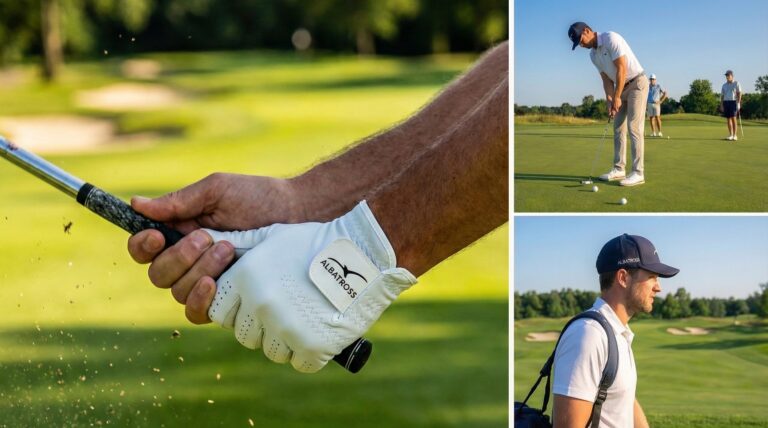
We went with Cabretta leather because it is simply the best material for a golf glove. It is soft, it molds to your hand naturally, and when constructed properly, it holds up through round after round of real play. The difference with Albatross is that we did not slap a premium price on a premium material and call it a day. We kept our pricing honest so that the average golfer, the one who plays every weekend and does not have a sponsor covering their gear costs, can actually afford to play in quality equipment.
Our gloves are tested on real courses by real people who play in heat, humidity, and all the conditions that come with Florida golf. If a glove does not hold up on our rounds, it does not go in our store. That is the standard we hold ourselves to, and it is a standard we think golfers deserve from any brand they trust.
The Smart Way to Get More Out of Every Glove
Getting better mileage out of your golf gloves is not complicated. A few small habits can genuinely double how long a glove lasts, regardless of what it costs. The biggest one is rotation. Keeping two gloves in your bag and switching them between nines gives each one time to dry out and recover its shape. That alone extends the life of both gloves significantly.
After your round, lay the glove flat to dry rather than crumpling it up. If you want to get precise about it, reshape it while it is still slightly damp and let it dry in an open position. This keeps the leather from cracking or stiffening. Removing the glove between shots during a round, something many casual players overlook, also reduces unnecessary wear from idle sweating.
A Few Habits That Actually Make a Difference
- Rotate two gloves per round, especially on hot days
- Remove the glove between shots to let your hand breathe
- Dry it flat after every round, never balled up in your bag
- Store it in a cool, dry place rather than the trunk of your car in July
- Replace it before it is completely worn out, not after it has already cost you shots
Following these habits with a quality glove at a reasonable price beats ignoring them with an expensive one every single time.
Stop Paying More for Less
The golf industry has done an excellent job convincing players that price is the clearest indicator of quality. But if you have been through enough gloves, you already know that is not the truth. What matters is the material, the construction, and how you treat the glove between rounds. A well-made Cabretta leather glove at a fair price, cared for properly, will outperform an overpriced name-brand option that gets tossed into a wet bag after 18 holes.
That is exactly why we built Albatross. We wanted to give golfers a better option, one that does not force you to choose between quality and affordability. Our Cabretta leather gloves are built to perform, priced for real players, and tested by people who actually care how their gear holds up. If you’re ready to stop overpaying and start playing with a glove that goes the distance, visit our shop and see what we’ve built for golfers like you.