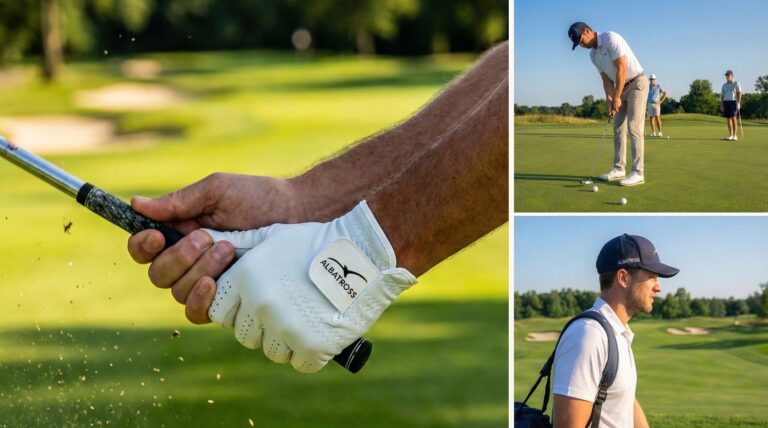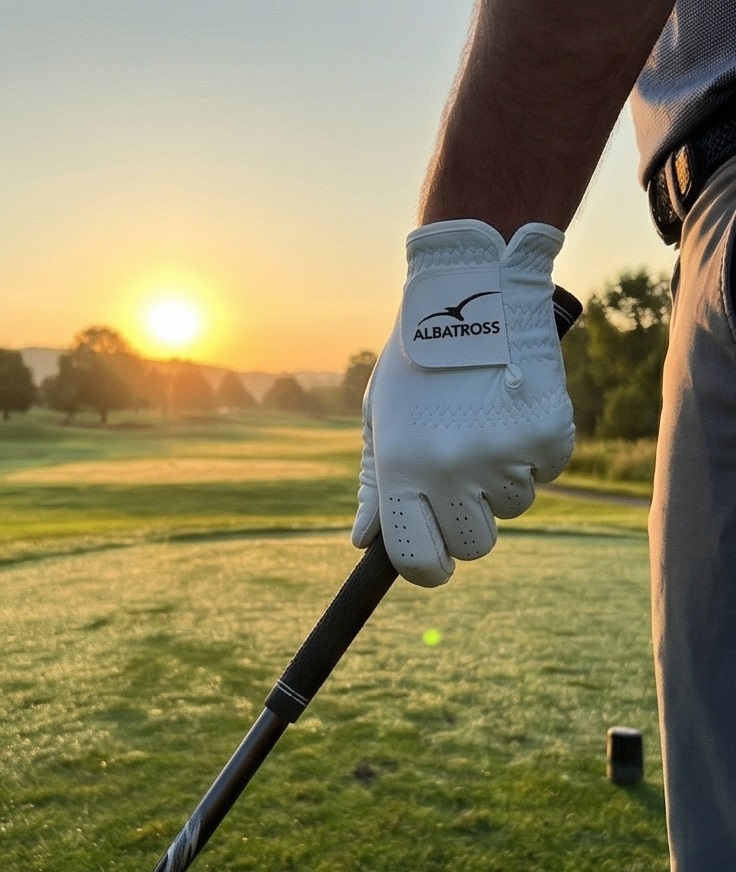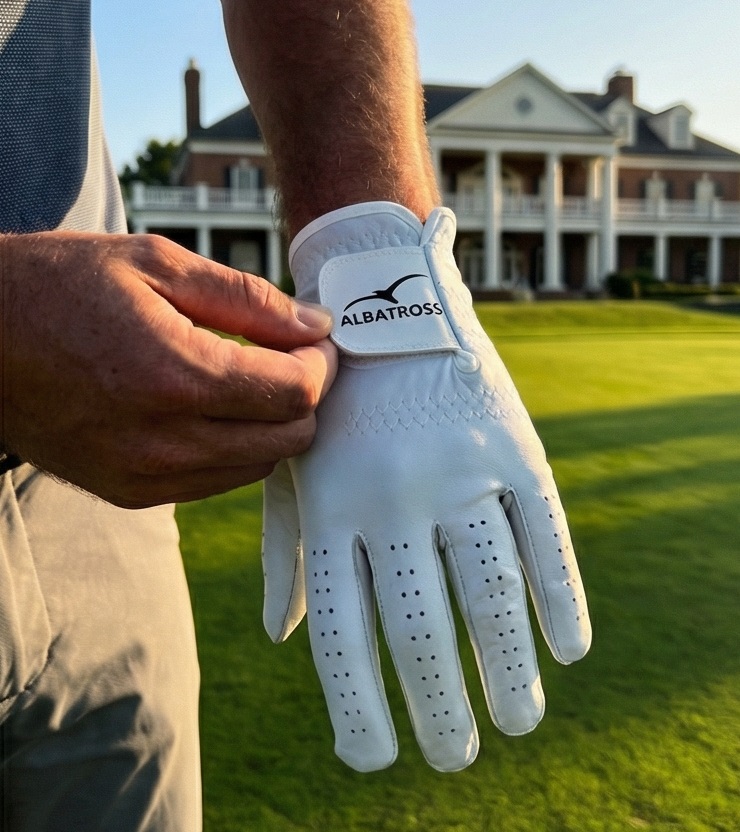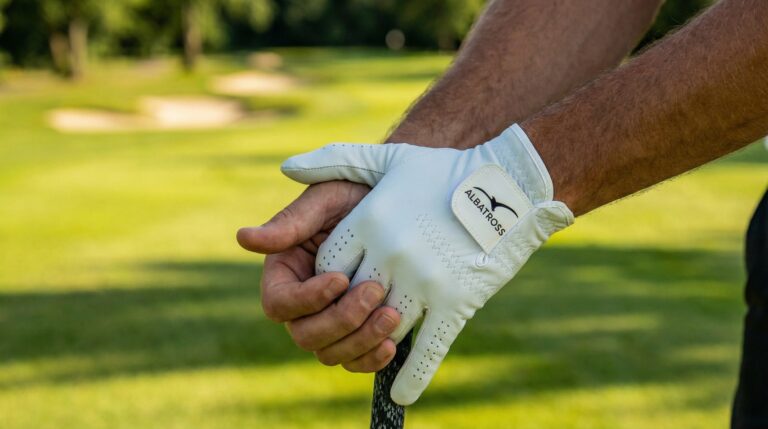
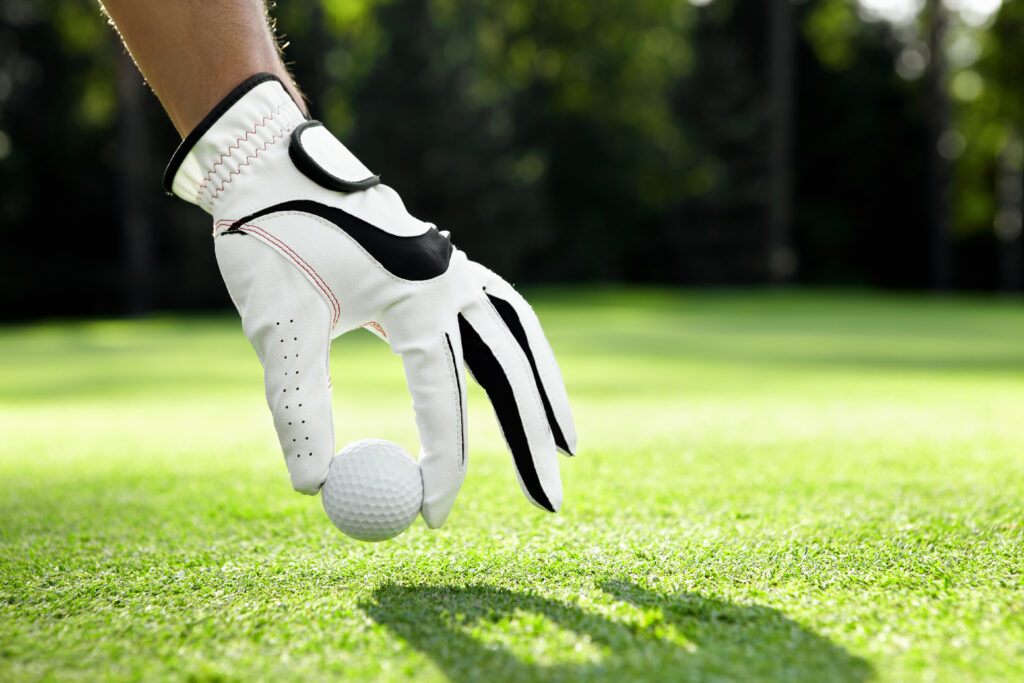
If you have ever peeled off a glove on the 14th hole and wondered why it already feels like a used dish rag, you are not imagining things. Synthetic gloves have dominated the market for years, mostly because they are cheap to produce and easy to market with shiny packaging and bold claims. But something has been shifting on courses from Banff to Niagara, and golfers who care about their game are starting to ask better questions about what they are actually putting on their hands. Cabretta leather gloves are not new. Touring professionals have worn them for decades. What is new is that every day golfers are finally making the switch in larger numbers, and once they do, very few go back.
The Glove Most Golfers Have Settled For (And Why It Falls Short)
Synthetic gloves are everywhere, and for good reason. They are affordable, they come in a variety of colours, and they hold up reasonably well in wet weather. For a casual round here and there, they do the job. But for golfers who play regularly and actually want to feel the club, synthetic materials start to show their limitations fast. The grip on a synthetic glove tends to be mechanical rather than natural. It grips the club, yes, but the feedback you feel through your hands is muted. Over time, the material stretches in ways that leather does not, and that means your fit changes mid-round, whether you notice it or not. A glove that fits differently on hole four than it does on hole sixteen is a glove that is quietly messing with your consistency.
What “Feel” Actually Means in a Golf Glove
When golfers talk about feel, they are not being precious about it. Feel is information. It is the difference between knowing your grip pressure is right and guessing. It is the split-second feedback that tells your hands whether the clubface is where it needs to be at impact. Synthetic materials create a layer between you and that information. Cabretta leather does not.
Why Synthetic Stretches and What That Costs You
Synthetic gloves are built from man-made fibres that respond to heat and moisture by expanding. Your hands sweat, the glove absorbs it, and the fibres loosen. By the time you have played nine holes on a warm day, the glove that fit snugly on the first tee has shifted, bunched, and lost a measurable amount of its original tension. That is not a small thing when precision is the whole point of the game.
What Makes Cabretta Leather Different
Cabretta leather comes from the skin of hair sheep, a breed found primarily in South America and parts of Africa. Unlike wool sheep, hair sheep produce a hide that is naturally thin, tight-grained, and remarkably supple. That specific structure is what makes it so well-suited for golf gloves. The hide conforms to your hand over time rather than loosening away from it. The more you wear a cabretta glove, the more it shapes itself to your grip, your fingers, your palm. That is the opposite of what synthetic does. Synthetic gives you a generic fit on day one and a worse fit by day thirty. Cabretta gives you a decent fit on day one and a personalized fit by day thirty.
The Key Properties That Set It Apart
- Natural grip enhancement that improves as the leather softens with use, rather than degrading
- Thin profile that keeps your tactile connection to the club as direct as possible
- Moisture management through the leather’s breathable structure, which wicks sweat rather than trapping it
- Shape retention that holds the form of your hand rather than stretching out of it
- Durability under regular play when properly cared for, far outlasting its synthetic counterparts
The Break-In Period Is a Feature, Not a Bug
New golfers to cabretta sometimes mention the short break-in period as a negative. It is not. The slight stiffness of a brand new cabretta glove is the leather before it has learned your hand. Within a few rounds, it softens and conforms in a way no synthetic ever will. What you end up with is a glove that is genuinely fitted to you, not just sized to you.
The Grip Pressure Connection
One of the most common swing problems recreational golfers deal with is grip pressure that fluctuates throughout the swing. Too tight and you lose fluidity. Too loose and you lose control. Finding and maintaining the right grip pressure requires feedback, and that feedback comes through your hands.
Cabretta leather transmits that information clearly. Golfers who switch from synthetic to cabretta frequently report that their grip pressure becomes more consistent, not because they are concentrating harder, but because they can actually feel what their hands are doing. It is the kind of improvement that does not show up on a launch monitor but absolutely shows up on a scorecard.
Durability: The Real Cost Comparison
The upfront cost of a cabretta leather glove is higher than that of a synthetic one. That is true, and it is worth saying plainly. But the comparison most people make stops there, which misses the full picture.
A synthetic glove worn regularly will typically start to degrade within ten to fifteen rounds. The grip thins, the material stretches, and the stitching begins to give. A well-maintained cabretta glove, kept dry between rounds and stored flat, will comfortably last twice as long under the same playing conditions. When you do the math over a season, the cost difference shrinks considerably, and the performance you are getting per round is meaningfully better.
How to Make a Cabretta Glove Last
- Remove the glove between shots when possible to let it air out
- Store it flat or on a glove form, not crumpled in your bag
- Keep it away from direct heat and sunlight when drying
- Rotate between two gloves during long rounds to reduce wear on any single one
- Avoid wearing it when reaching into a wet bag or handling equipment after rain
Who Is Making the Switch and Why Now
The shift toward cabretta has been building quietly for a while, but a few things have pushed it into the mainstream recently. Golfers are more informed than ever. The information that used to live in pro shops and clubhouse conversations is now everywhere, and players who want to improve are doing their homework. They are reading about what touring professionals actually use and why. They are watching instructional content that mentions the role of tactile feedback in swing mechanics. They are comparing notes with other golfers online.
The other driver is frustrated. Golfers who have cycled through a long string of synthetic gloves that all underdelivered are reaching the same conclusion: the savings are not worth the performance gap. Once someone makes the switch and feels the difference, the conversation about cost tends to end fairly quickly.
Your Hands Deserve Better Than a Glove That Quits on You
We built Albatross because we were tired of settling for gear that looked fine on the shelf and fell apart by the back nine. That frustration is exactly what led us to cabretta leather. When we started putting together our glove lineup, there was never a question about which direction we were going.
If your glove has been letting you down, stretched out, slipping, or just never giving you the feedback you need, it might be time to try something that actually works with your game instead of against it. Browse our collection here and see what a glove that takes the game as seriously as you do actually feels like.